Skip to content
Work with us

Telepsychiatry Research & Innovation Network

Dhaka, Bangladesh

Mental health care,
and how far
it actually reaches.

TRIN studies the distance between a person who needs help and the care that exists — in Korail, in garment factories, in districts with no psychiatrist at all — then builds and tests what closes it.

A facilitator teaching a seated group of young healthcare professionals at the TRIN office
Training on serious mental disorders for young healthcare professionals — TRIN office, Banglamotor, Dhaka.
Scope

What we do

Four strands, and each one feeds the others — what the field teaches becomes a study, and what a study proves becomes a training programme.

Strand 01 · Research

Evidence

Access, stigma, digital screening and delivery — from Bangla autism assessment to serious mental disorders in Korail.

16 projects →

Strand 02 · Training

Capacity

Doctors, nurses and community health workers, so that care stops depending on a few hundred psychiatrists.

Programmes →

Strand 03 · Clinical

Care

Consultation, psychotherapy and assessment, in person and over distance for people who cannot travel.

Services →

Strand 04 · Tools

Instruments

Building and validating the instruments themselves — mobile care platforms, screening tools, well-being indices.

Published →
Projects 8 ongoing  ·  8 completed  ·  NIH · NIHR funded
Ongoing · flagship

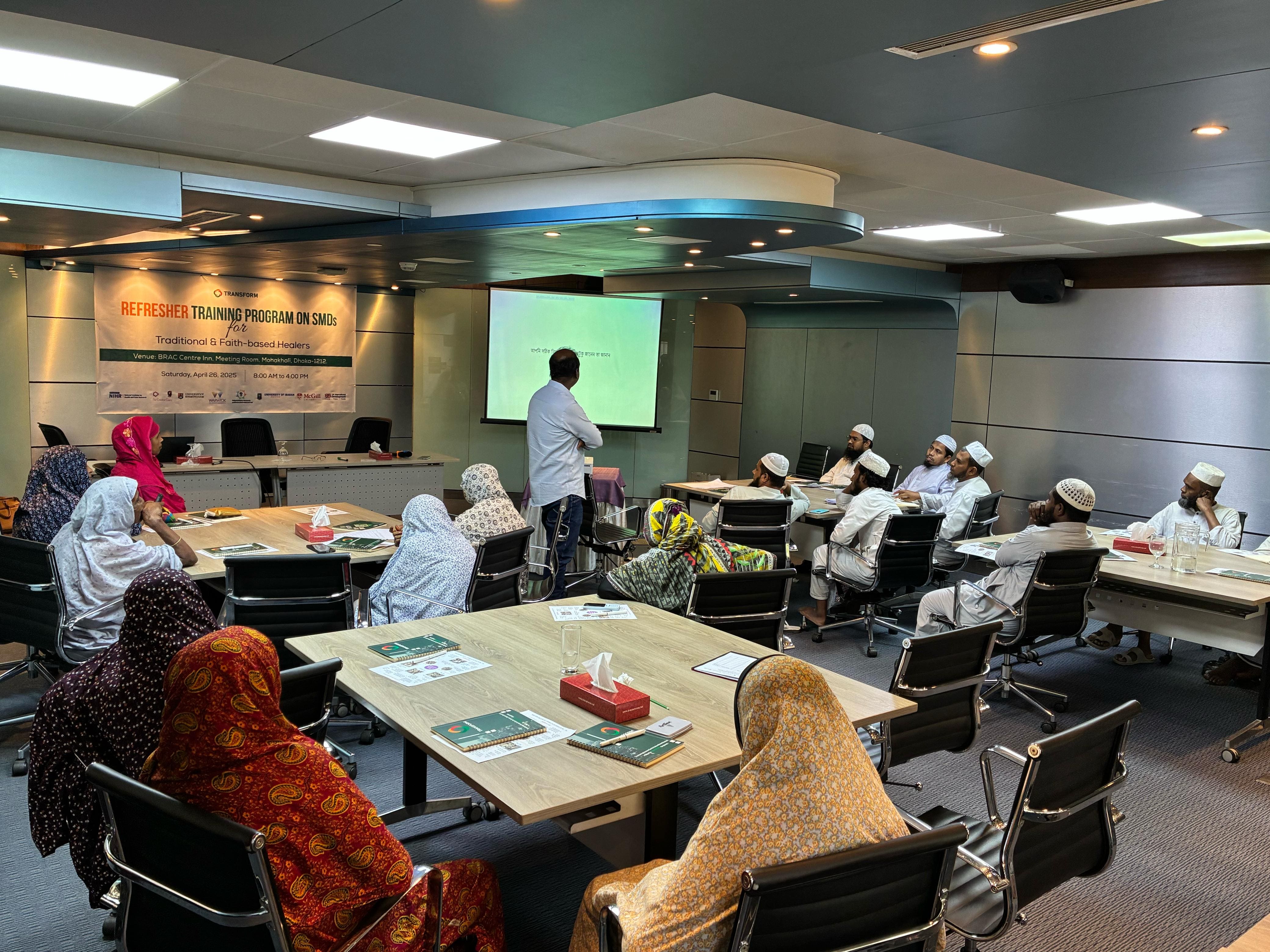
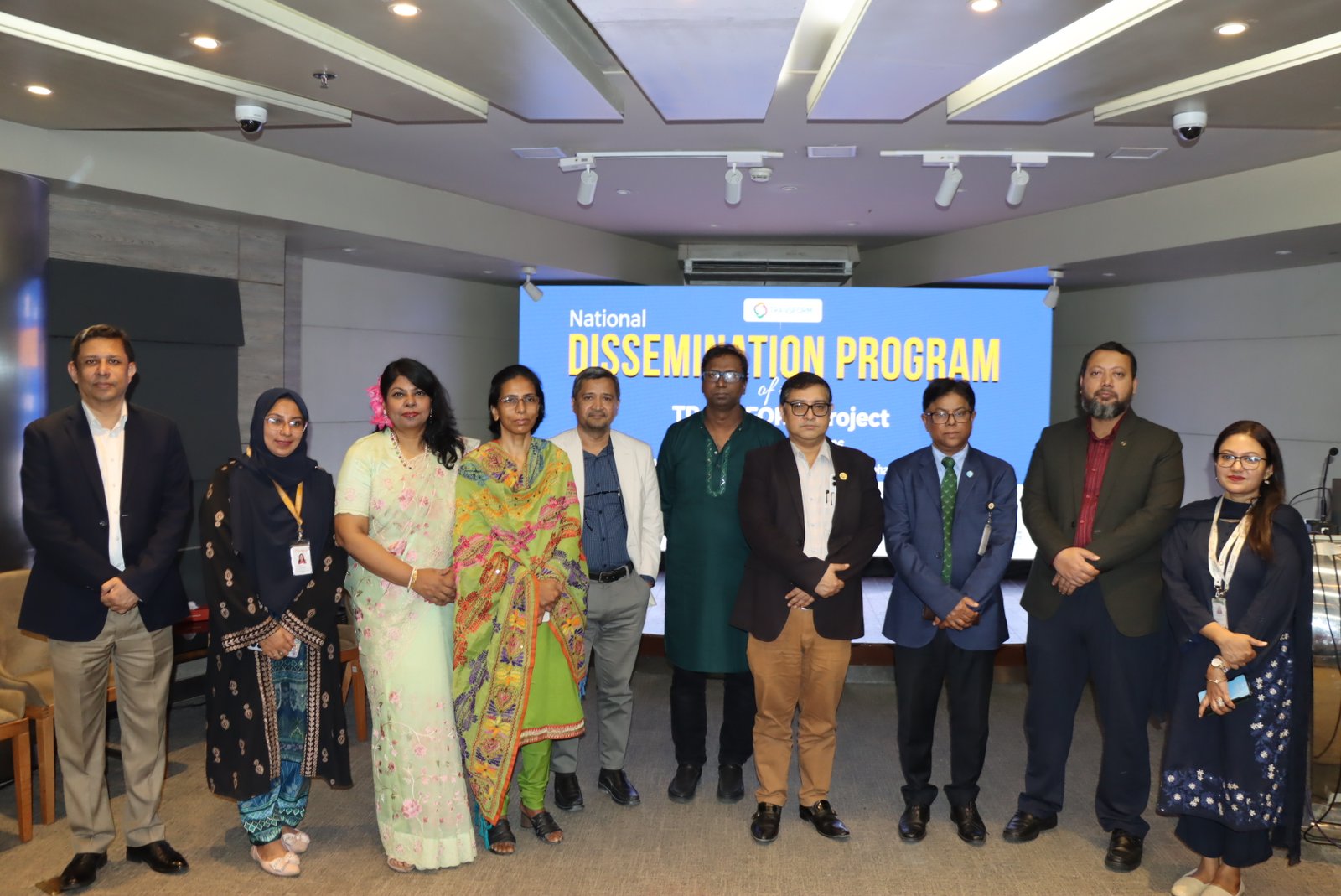
Transforming Access to Care for Serious Mental Disorders in Slums - The TRANSFORM-Bangladesh, funded by the NIHR UK.

Bangladesh faces a severe mental health crisis, with more than 30 million people suffering from mental disorders, over 90% of whom do not seek professional help. This treatment gap is further compounded by a critically low psychiatrist...

Read the project →
Founder
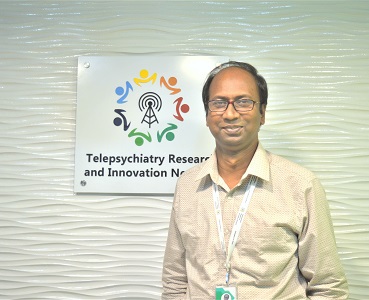
Dr. Tanjir Rashid Soron, Founder & Managing Director

Dr. Tanjir Rashid Soron

Founder & Managing Director

MBBS, MPH, MD (Psychiatry), MSc (Global eHealth)

Dr. Soron is a psychiatrist and researcher working on how mental health care can be delivered through technology and evidence-based intervention. Trained in psychiatry and global eHealth, he leads TRIN's work on making quality mental health services reach underserved populations.

Field

Recent work

All activities →
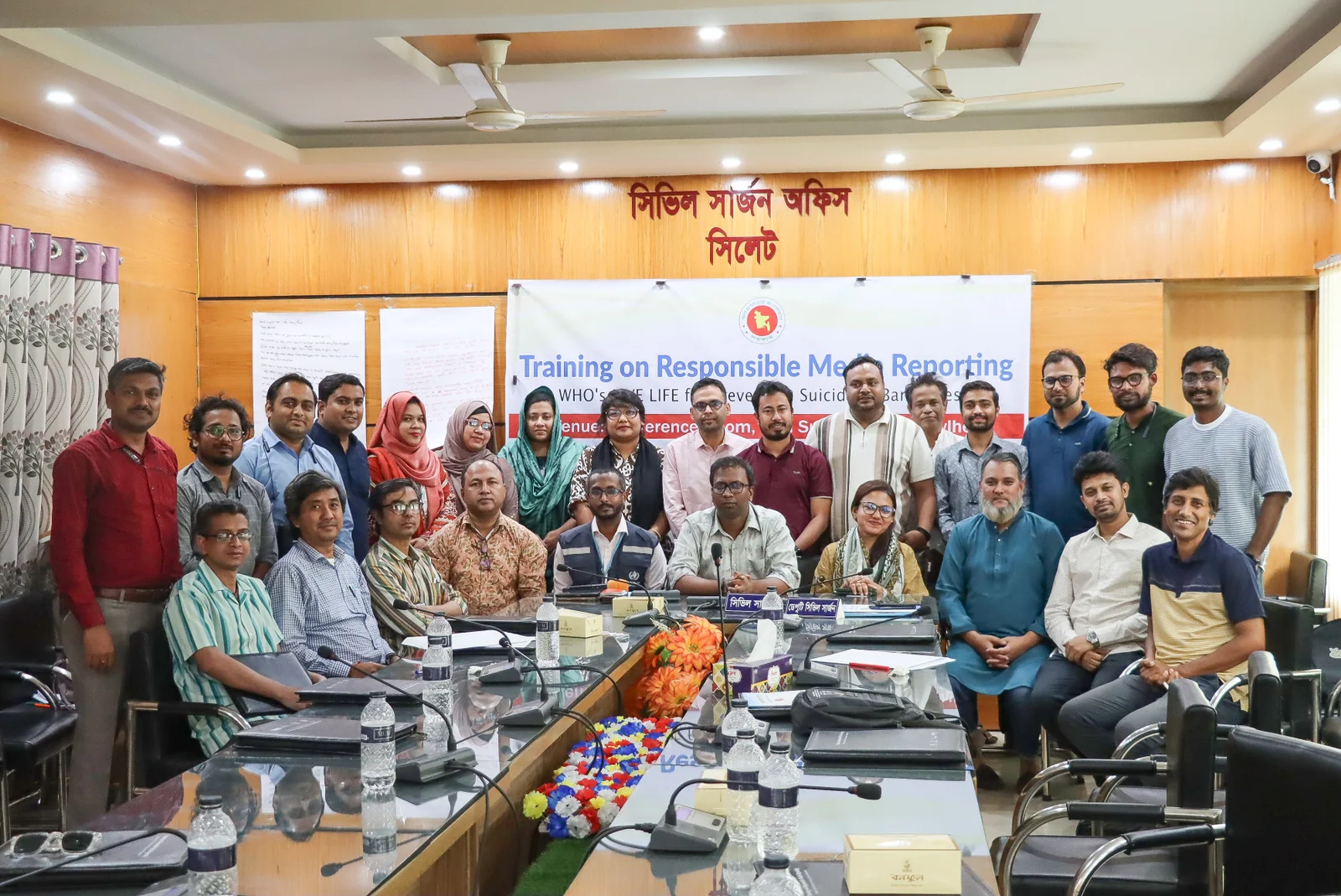
Participants grouped for a photograph beneath a banner reading Training on Responsible Media Reporting: WHO's LIVE LIFE for Preventing Suicide in Bangladesh, at the Civil Surgeon's Office in Sylhet
Participants of the day-long training — Conference Room, Civil Surgeon's Office, Sylhet, 22 April 2026.

01 · Suicide prevention

Training on Responsible Media Reporting: WHO's LIVE LIFE for Preventing Suicide in Bangladesh

On 22 April 2026 the Telepsychiatry Research and Innovation Network (TRIN) conducted a day-long training in Sylhet, bringing together 23 local reporters from across Bangladesh to strengthen their knowledge and capacity for responsible media reporting on suicide prevention.

Participants were guided through WHO's LIVE LIFE guidelines — an evidence-based framework for ethical and empathetic reporting on suicide. The day focused on integrating those guidelines into the media delivery mechanisms that already exist, on establishing monitoring systems, and on reducing the risk of suicide contagion — copycat suicide — through more informed journalism.

  • 23 local reporters trained on WHO's LIVE LIFE guidelines
  • Focused on responsible, accurate and empathetic reporting on suicide
  • Guidelines integrated into existing media delivery mechanisms, and monitoring systems for reporting on suicide established
  • Aimed at reducing the risk of suicide contagion through more informed journalism
Date
22 April 2026
Where
Sylhet, Bangladesh
Participants
23 local reporters

Full write-up to follow

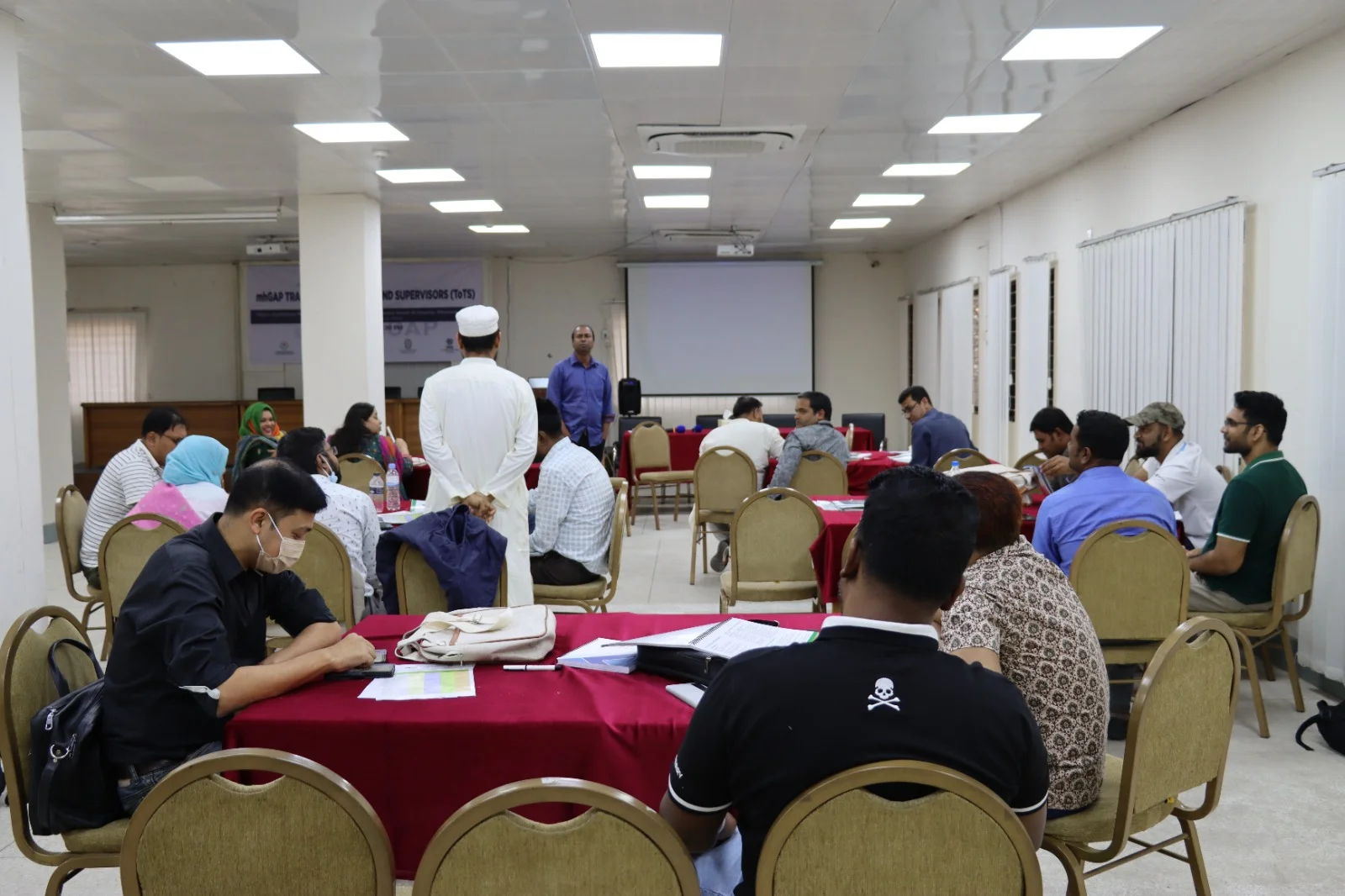
Participants seated at round tables in a training hall, with a banner reading mhGAP Training of Trainers and Supervisors at the front
An mhGAP Training of Trainers and Supervisors session in progress.

02 · Capacity building

Training of Trainers and Supervisors on mhGAP, across five districts of Bangladesh

Spearheaded by the Telepsychiatry Research and Innovation Network Ltd. (TRIN), this programme conducts Training of Trainers and Supervisors (ToTS) on the WHO Mental Health Gap Action Programme (mhGAP), and the mhGAP training sessions that follow it, in Sylhet, Kurigram, Netrokona, Sherpur and Chapainawabganj.

The objective is to enhance the capacity of local healthcare providers to manage mental health conditions effectively, and through that to improve mental health service delivery across these five districts. Training trainers and supervisors first is the point: it leaves each district with people who can teach and supervise the next group without waiting for Dhaka.

  • Training of Trainers and Supervisors (ToTS) on mhGAP — Group I
  • mhGAP training sessions for local healthcare providers in each district
  • Capacity to assess and manage mental health conditions placed with providers who are already there
Districts
Sylhet · Kurigram · Netrokona · Sherpur · Chapainawabganj
Who
Local healthcare providers, trainers and supervisors
Guide
WHO mhGAP
Our training programmes →
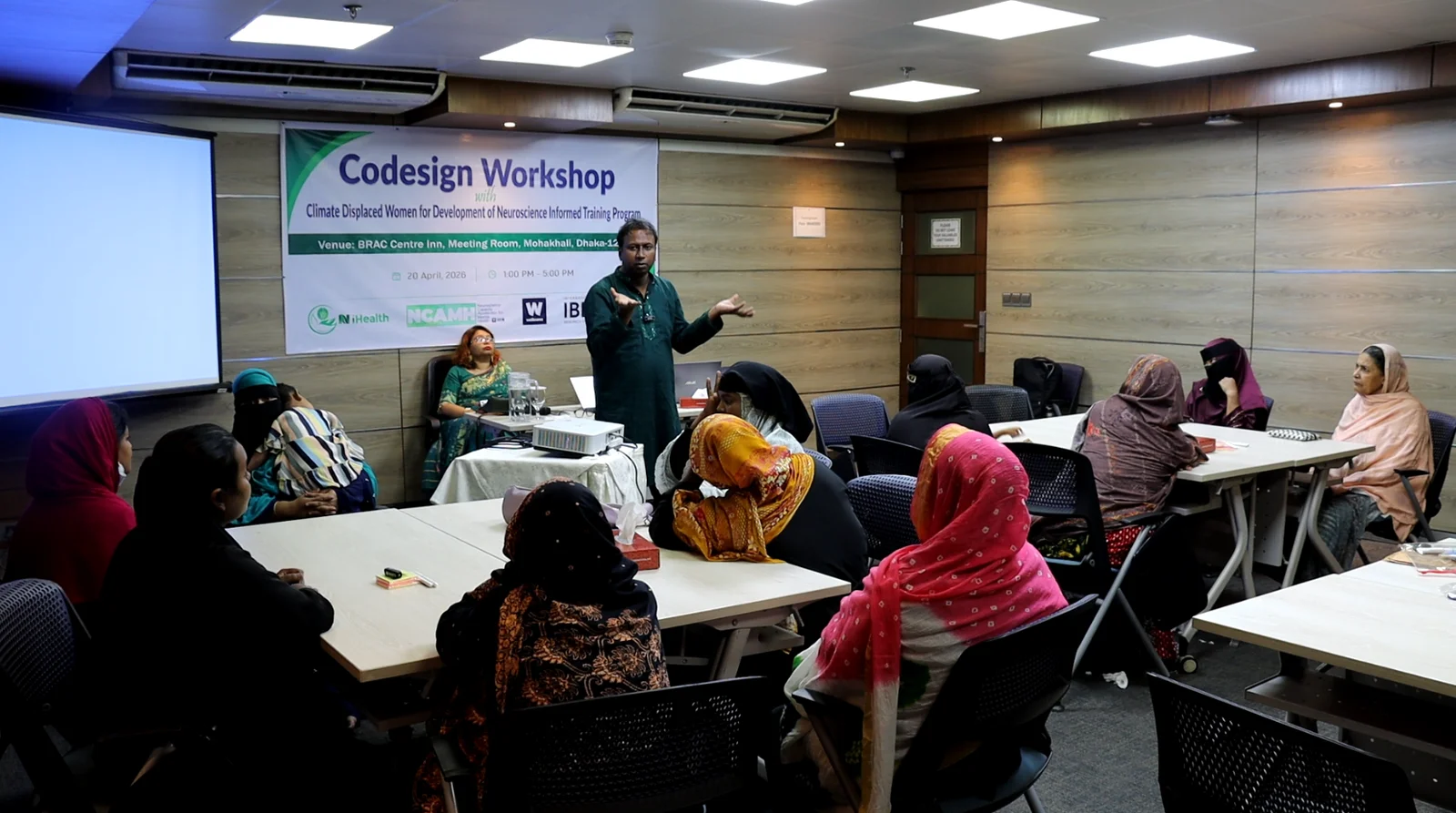
Women seated at tables facing a facilitator, beneath a banner reading Codesign Workshop with Climate Displaced Women for Development of Neuroscience Informed Training Program
Co-design workshop with climate-displaced women — BRAC Centre Inn, Mohakhali, Dhaka, 20 April 2026.

03 · Climate and mental health

Building Resilience through a Neuroscience-Informed, Co-developed Mental Health Training Program for Climate-Displaced Women: A Pilot Initiative in Korail Slum, Bangladesh

This pilot initiative develops and tests a neuroscience-informed, co-produced mental health training programme built specifically for climate-displaced women living in Korail Slum, Dhaka. It runs from 2025 to 2026, with TRIN as principal investigator.

Co-produced means the content is shaped with the women it is for rather than handed to them finished — the co-design workshops come before the curriculum. Neuroscience-informed means it explains, in plain terms, what displacement and sustained stress do to sleep, attention, memory and mood. The work is funded by the Wellcome Trust and the International Brain Research Organization (IBRO) under grant reference 25NCAMH-7852868876.

  • A mental health training programme developed and tested with climate-displaced women in Korail Slum
  • Co-design workshops with the women themselves, shaping the programme before it is delivered
  • Neuroscience-informed material on what displacement and sustained stress do to sleep, attention, memory and mood
Duration
2025 – 2026
Where
Korail Slum, Dhaka
Role
Principal investigator

Funded by Wellcome Trust · IBRO — grant 25NCAMH-7852868876

Papers 6 peer-reviewed  ·  JMIR · ACM · Global Mental Health

Publications

All publications →
Notes 12 posts  ·  বাংলা / English
Contact

Work with us

We hire researchers, clinicians and field staff for specific projects, and we are always open to research collaboration — particularly where it overlaps with access, digital delivery or low-resource settings.

Get in touch